
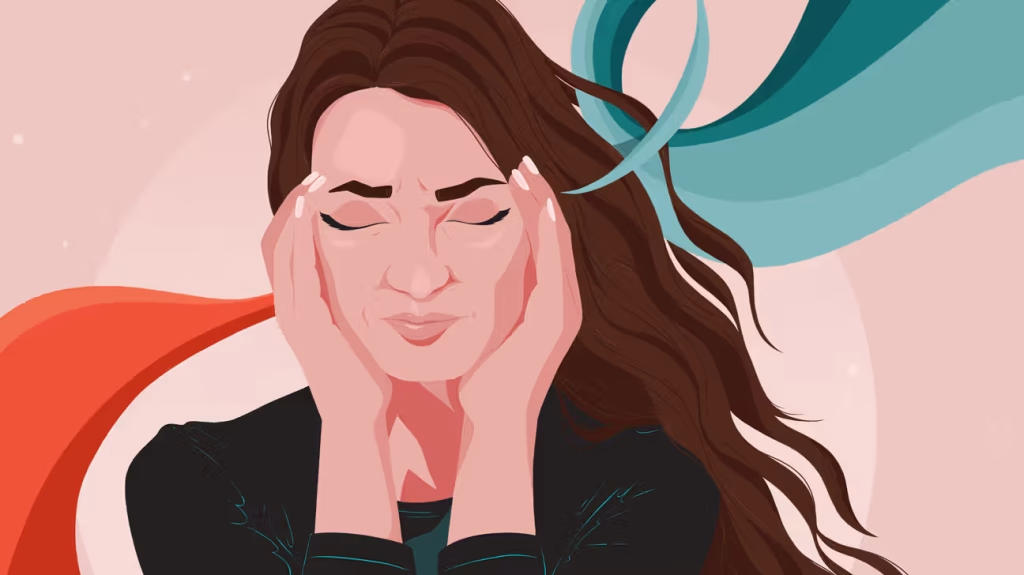
Migraines are more than just headaches. For many people, they are recurring neurological episodes that can severely affect daily life. While several factors can trigger migraines, stress is one of the most common yet often overlooked causes.
At Dr. Sreelekha’s Care Multispeciality Homeo Clinic, we frequently see patients struggling with migraines that seem to appear without warning. In many cases, the root cause turns out to be chronic stress and emotional tension.
Understanding the connection between stress and migraine can help individuals manage symptoms more effectively and improve overall well-being.
Understanding Migraines
A migraine headache is a neurological condition characterized by intense, throbbing pain, usually on one side of the head. It may also be accompanied by symptoms such as:
- Nausea and vomiting
- Sensitivity to light and sound
- Blurred vision
- Dizziness
- Fatigue
Unlike regular headaches, migraines can last from several hours to even days, significantly affecting a person’s quality of life.
Research in the field of Neurology suggests that migraines involve changes in brain activity, nerve signals, and blood flow in the brain.
How Stress Triggers Migraines
Stress is considered one of the most common migraine triggers. When the body experiences stress, it activates the “fight-or-flight” response. This leads to the release of hormones such as cortisol and adrenaline.
These stress hormones can:
- Increase muscle tension
- Alter blood flow in the brain
- Affect neurotransmitter balance
- Increase sensitivity of pain pathways
Over time, these physiological changes can lead to stress-induced migraines.
According to studies related to Migraine, emotional stress is reported as a trigger in more than 60% of migraine sufferers.
Common Stress-Related Migraine Triggers
Many people do not realize how daily stressors can contribute to migraine attacks. Some common triggers include:
- Work pressure and deadlines
- Poor sleep patterns
- Emotional distress or anxiety
- Long screen exposure
- Irregular meals
- Hormonal changes
- Lack of relaxation time
When these factors accumulate, they can increase the likelihood of frequent migraine headaches.
Signs Your Migraines May Be Stress-Related
If stress is the underlying cause, migraines often appear during or after periods of emotional strain. Some common indicators include:
- Headaches after a stressful workday
- Migraines during major life changes
- Headaches during periods of anxiety
- Pain after prolonged mental exhaustion
Recognizing this pattern is an important step toward effective migraine management.
The Role of Lifestyle in Migraine Prevention
Managing stress is a key part of preventing migraines. At Dr. Sreelekha’s Care Multispeciality Homeo Clinic, we often advise patients to adopt a balanced lifestyle to reduce migraine frequency.
Helpful strategies include:
- Maintaining a consistent sleep schedule
- Practicing relaxation techniques such as meditation
- Regular physical activity
- Limiting caffeine and processed foods
- Taking regular breaks from screens
These lifestyle adjustments can significantly reduce stress-related migraine episodes.
A Holistic Approach to Migraine Care
Every individual experiences migraines differently. At Dr. Sreelekha’s Care Multispeciality Homeo Clinic, our approach focuses on identifying the root cause of migraines, including emotional stress, lifestyle habits, and overall health.
A personalized, holistic treatment plan can help address not only the symptoms but also the underlying triggers.
Patients often benefit from an integrated approach that considers:
- Stress levels
- Sleep quality
- Hormonal balance
- Dietary habits
- Emotional health
This comprehensive perspective helps support long-term relief and improved quality of life.
When to Seek Professional Help
Occasional headaches are common, but frequent migraines should not be ignored. You should consider consulting a healthcare professional if:
- Migraines occur several times a month
- Pain interferes with daily activities
- Headaches worsen over time
- Symptoms include vision problems or severe nausea
Early evaluation can help identify triggers and develop an effective management strategy.
Final Thoughts
Stress is an unavoidable part of modern life, but its effects on health should not be underestimated. The connection between stress and migraine is strong, yet many people overlook it as a possible cause of recurring headaches.
By recognizing the relationship between emotional health and physical symptoms, individuals can take proactive steps toward better migraine control.
If you frequently experience migraines, consulting specialists such as those at Dr. Sreelekha’s Care Multispeciality Homeo Clinic can help you understand your triggers and find the right path toward relief.